What Now? Replacing Medicare’s Failed Sustainable Growth Rate

This blog post was co-authored with Anina Oliver for the “Wonk Tank” blog of the Wharton Public Policy Initiative (PPI) at the Wharton School of the University of Pennsylvania.

The worlds of Washington and health policy were abuzz last month as House leaders from both parties announced a permanent solution to Medicare’s “sustainable growth rate” formula that has been a legislative thorn for almost two decades.

The formula, introduced in 1997, limits increases in the amount that Medicare pays physicians. Each year, when healthcare cost growth has exceeded this growth target, Congress has passed a short-term measure called a “doc fix” to avoid making the stipulated cuts. While these temporary fixes have been funded by cuts elsewhere and by anticipated healthcare savings down the road, saving about $165 billion over time, many observers have called for a permanent repeal and substantive solution.

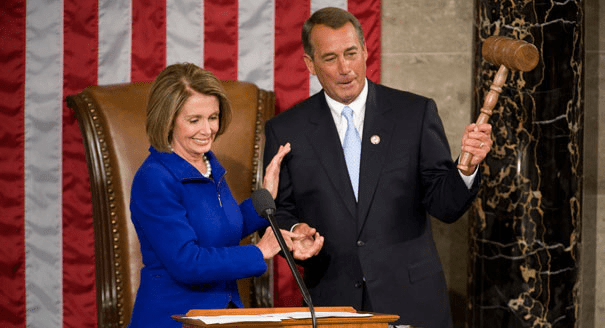
Last month, the House passed the legislation – “SGR Repeal and Medicare Provider Payment Modernization Act of 2015” which includes repeal in addition to cost-saving strategies. It was introduced by Rep. Michael Burgess, MD (R-Texas) and has 20 co-sponsorships, including 14 Republicans and six Democrats, and the public support of Speaker Boehner and Minority Leader Pelosi. The bill is an attempt to replace the faulty SGR formula and shift Medicare spending from a volume-based to value-based system by rewarding high quality care and not the sheer number of procedures performed. The bill is part of a larger package that includes two years of extended Children’s Health Insurance Program (CHIP) funding.

As always, paying for the bill was an issue. Senate Republicans in particular had reservations about the bill’s costs: its ten year cost is estimated at $200 billion. However, these numbers may be largely offset by not having to pay for future SGR patches—on which Congress spent $170 billion over the last twelve years—potentially bringing the cost down to $60-70 billion. [1]

The Senate reconvened this week and passed the bill within 48 hours; without the repeal of the SGR, physicians with patients, who are program beneficiaries, would have sustained pay cuts of 21%. Nominally, these cuts already went into effect on April 1st, but the Centers for Medicare and Medicaid Services (CMS) stated that they would not process payments until April 15th.

Many Republicans did not want to add more to the deficit with a bill that is not fully financed, while several Democrats, including all twelve on the Senate Finance Committee, had expressed discontent that CHIP funding is only guaranteed extension through fiscal year 2017 and would prefer extension through 2019. The impending deadline and the overwhelming desire to repeal the SGR pushed Senators displeased with several of the bill’s stipulations toward supporting it.

The payment-focused strategies have received the most media attention, as they are the direct successors to the SGR formula. These cost-saving measures include the following: rates paid to physicians will grow by 0.5 percent through 2019, freeze between 2020-2025, and grow by 0.5 percent or 1 percent (depending on whether a provider is in Advanced Payment Model programs) beyond. Other savings will come from higher premium payments from wealthier Medicare beneficiaries, higher out-of-pocket payment from Medigap beneficiaries (people who get supplemental coverage for services not include in their Medicare plans), and more limited payment increases to nursing homes and hospice and home care agencies.

There are also several delivery system-focused strategies that also have important cost-saving implications. These measures provide funding for chronic care management, more transparency on physician cost and service data, expanded availability of claims data, and measures to reduce administrative burdens faced by providers.

The chronic care management provision, effective from January 1st of this year, allows payment of $40.39 per member per month to physicians, physician assistants, nurse practitioners and midwives who provide at least 20 minutes of non-face-to-face care management activities for a patient with multiple chronic diseases. An analysis showed that a family practitioner can earn more than $200,000 in annual gross revenue from this program alone.[2] There is an unanswered question, though: will the value of these several minutes of chronic care management make a significant impact on downstream costs per patient and drive lower Medicare spending?

The provider transparency provision, beginning this year, makes available information about payments made to physicians in the Medicare program, as well as the kind and frequency of services each unique physician offers. TheMedicare Physician Compare website is currently limited to basic information about each provider, but there is a plan to add service, cost and quality information “as soon as technically feasible.” This information is intended to make it easier for beneficiaries to select providers appropriate for their needs.

The expanded data availability provision, beginning in July 2016, allows qualified entities to analyze combined (both claims and non-claims) Medicare datasets to help private healthcare providers and physicians improve their quality of care, better understand their populations, and develop new models of care. The data must be provided free of charge and will be subject to privacy protections, but the provision represents a relaxation of previous constraints.

The provision to reduce administrative burden emphasizes EHR interoperability and telehealth. The bill sets a goal to achieve “widespread exchange of health information through interoperable certified EHR technology nationwide” by the end of 2018 and proposes creating a website that helps providers choose the best systems for their practice. The bill also encourages research on telehealth and remote patient monitoring services, where devices are used to gather information and ask questions, the data from which can be interpreted by a healthcare professional.

In the context of the long history of failed sustainable growth rate fixes, as well as the future trillions of dollars in unfunded liabilities for the Medicare program, there is uncertainty for the future. The issue now facing legislators and policymakers is this: how do we make up for the savings that the SGR was supposed to create now that it might be repealed?

CITATIONS:

  1. Joyce Frieden, “Negotiations Heat Up on Permanent SGR Fix,” MedPage Today, March 17, 2015. http://www.medpagetoday.com/PublicHealthPolicy/Medicare/50515.

  2. Jon Reid, “Political Pressure Could Stifle Amendments to SGR Repeal,”Morning Consult, April 3, 2015.http://morningconsult.com/2015/04/political-pressure-could-stifle-amendments-to-sgr-repeal/.

Do Integrated Delivery Systems Deliver on Cost and Quality?

This blog post is cross-posted from my post published on the “Voices” blog of the Leonard Davis Institute of Health Economics at the Wharton School of the University of Pennsylvania.

A new study by LDI Senior Fellow Lawton Burns and colleagues challenges the conventional wisdom about the societal benefits and comparative advantages of integrated delivery networks (IDNs).  A literature review and detailed analysis of financial and quality indicators found “scant evidence” of improved quality, lower cost per case, or greater societal benefit.

Last month, Burns, James Joo-Jin Kim Professor of Health Care Management at Wharton,  presented these findings at a joint Federal Trade Commission (FTC) and Department of Justice (DOJ) workshop on health care competition. From the study’s abstract:

Looking at the benefits to society, the authors found that there is evidence that IDNs have raised physician costs, hospital prices and per capita medical care spending; looking at the benefits to the providers, the evidence also showed that greater investments in IDN development are associated with lower operating margins and return on capital. As part of this report, the authors conducted a new analysis of 15 of the largest IDNs in the country. While data on hospital performance at the IDN level are scant, the authors found no relationship between the degree of hospital market concentration and IDN operating profits, between the size of the IDN’s bed complement or its net collected revenues and operating profits, no difference in clinical quality or safety scores between the IDN’s flagship hospital and its major in-market competitor, higher costs of care in the IDN’s flagship hospital versus its in-market competitor, and higher costs of care when more of the flagship hospital’s revenues were at risk.

The study, commissioned by the National Academy of Social Insurance, defined IDNs as vertically integrated health services networks that include physicians, hospitals, post-acute services and/or health plans, or fully integrated provider systems inside a health plan (e.g. with no other source of income than premiums). Prominent examples include Geisinger and Henry Ford Health Systems.

Why have IDNs enjoyed a “halo effect” of perceived higher quality and efficiency from their IDN status?  One reason is their “revenue at risk” payment mechanisms through capitated arrangements, health plan revenue or two-sided ACO models. Conventional wisdom suggests that these risk arrangements create incentives to deliver higher value care. However, Burns and colleagues found no relationship between revenue at risk and the costs of care.

Comparing an IDN flagship hospital and its main in-market competitor on Medicare spending in last 2 years of life, the study found:

  • The IDN flagship hospital with no revenue at risk was 6.8% less expensive than its in-market competitor
  • The IDN flagship hospital with some revenue at risk was 20% more expensive than its in-market competitor
  • No apparent cost of care advantage conferred on IDN hospitals that operate their own health plan
  • No meaningful differences in readmissions, infection rates,  complication rates between the IDN flagship hospital and its in-market competitor
  • No meaningful differences in patient satisfaction scores or Leapfrog Group hospital safety ratings between IDN flagship hospital and its in-market competitor

The authors note the difficulty in obtaining transparent information about IDN financing and resource allocation, and recommend more detailed and routine disclosure of financial and structural practices, as well as a comprehensive, national all-payer claims database to compare rates paid to different kinds of providers for the same services.

Other authors of the report include Jeff Goldsmith, Wharton doctoral candidate Aditi Sen, and Trevor Goldmith.  See the authors’ commentary in Modern Healthcare here.

The Role of “Agent-Navigators” in ACA Marketplaces

This blog post is cross-posted from my post published on the “Voices” blog of the Leonard Davis Institute of Health Economics at the Wharton School of the University of Pennsylvania.

As the February 15 deadline for open enrollment on the ACA marketplaces approaches, surveys tells us that many uninsured people remain unaware or misinformed about whether they qualify for subsidies to help purchase health insurance. Prior to the ACA, many people looked to agents and brokers to understand their options and to help them find an individual plan.

But agents and brokers face obstacles in fully engaging in the marketplaces, as an RWJF/Urban Institute Issue Brief concluded from interviews with insurance professionals after the first open enrollment period. They reported obstacles such as IT issues, poor training, inadequate customer support, and difficulty being paid from state marketplaces. Further, the authors noted, agents and brokers tend to have minimal experience working with a low-income population, and may lack relationships with communities with historically low levels of insurance.

Lafayette Jones and Sandra Miller Jones don’t fit that bill.  Using their experience marketing products to African American communities, they have embraced their role in connecting people to insurance through the federal marketplace. In partnership with other licensed agent-navigators, their organization has helped more than 3,000 people and families across North Carolina find health insurance. The following is an edited transcript of our conversation with them.

LDI: How did you decide to become involved in health insurance enrollment and what skills do you bring to the table?

We were already, over the last decade, working with a number of insurance companies and AARP. As a result of our relationship with AARP (and collaborating partners Aetna and Magic Johnson Enterprises), we were doing health fairs in Washington, D.C., New York, Atlanta and other markets targeting African Americans. We designed programs around Medicare enrollment and developed a specialized toolkit that was distributed through churches, barber shops, community centers by “feet on the streets” ambassadors.

When the ACA came along, we began to look at it and wonder how we could be of value. We decided to get familiar with it and we went to [a large insurance company]. Their president asked us to develop a multicultural marketing program, in particular targeting African Americans in North Carolina. Now we provide access to products sold by multiple insurance carriers.

How do your clients find you and access your services?

We fish where the big fish are. We know that we can target certain zip codes, we know that we can find our target audience at churches, at beauty salons, at barber shops and community centers. We understand the culture and how to navigate the culture. We have flyers, posters, print and digital ads, we use gospel radio and all kinds of other tools to reach the target group of people.

There are about 28,000 zip codes in the U.S. You can find 80 percent of African Americans in 2,000 or 3,000 of those zip codes, so a small number of zip codes allow you to be in touch with a high number of African Americans and Latinos.

What is the demographic breakdown of your clients in terms of age, race and gender?

I would estimate that 90% of our clientele is African American. We also work with about 10% Hispanics and Whites. The age groups range from 21 to 64 years old and they are skewed toward that middle range of 35 to 55.

Because we are in the south and there is a significant minority population in rural counties, we have been involved with rural African Americans just as much as urban. There is a significant number of underserved Whites and Latinos on the fringe of African American communities – in continuous neighborhoods nearby – and they often walk into our enrollment centers.

What sort of training process was involved with becoming an insurance agent?

When we became licensed insurance agents in the state of North Carolina, there were lots of product-specific training programs about each of the carriers – Blue Cross Blue Shield, Aetna, Coventry, United Health and others. It was a lot of studying individual company programs, state licensing, and federal government programs.

What is the different between a licensed agent-navigator and the navigators we usually hear about in connection to ACA enrollment?

The federal government has a significant number of navigators on the street. Navigators are valuable for one specific job in one specific period. Navigators are good at finding and helping people to get enrolled, but our experience is that enrollment is just part of the process. For us, enrollment has meant everything from finding the people, making them aware of the benefits and downsides, and also helping them through to finding the right doctor when they enroll.

We have adopted the term agent-navigator because an agent-navigator can do more for the beneficiary and insurer group. Agent-navigators can provide people with professional counseling about plans on a year-round basis instead of just during open enrollment.

Are there enough navigators and agents in the field to meet the new demand?

We know that there is a dearth of African American and Latino insurance agents. There need to be more people in the field like us. We have gone from a small group of five when we started to almost fifty of us now. It’s a conglomeration, a collaboration, an association. A good portion of them don’t actually work for us. We got them because we said, “there are so many people trying to sign up. We need help!”

We don’t have any state grants or federal grants, and it’s certainly a labor of love, but we are also businesspeople. We have to find corporations to support it. When you look at insurance carriers and providers like hospitals, they are just becoming awake to how to serve this population. They know how to serve this population from a professional, medical point of view, but they just don’t have the tools we do and there are very few organizations around like ours.

Could you go more in depth about how you help people post-enrollment?

Many people have been to the emergency room but not to the doctor, and they don’t know the process or expectations when they have their own primary care physicians. There are people who are enrolled who don’t know what step three and four is. Once you get enrolled, you have a doctor – go see your doctor! You can’t sit there and let them tell you what to do. You have to have some dialogue and tell them what needs you have. Many people have not had insurance before and are used to going directly to the emergency rooms.

One young man who we coached didn’t pay his premium one month because he wasn’t sick. What that meant to us was that he didn’t understand what insurance was. We coached him to understand that you need to pay insurance every month because you get benefits every month, whether or not you use them.

For people who miss the income cutoff and live in states that did not choose to expand Medicaid, those people are absolutely lost because there is nothing for them. Some of their children are in children’s health insurance programs and Medicaid, but there is no funding for the parents. If the parents don’t have any insurance, and they haven’t had any insurance before, they don’t expect to get insurance and use it.

What other perceptions or understandings health insurance are out there that you have discovered through your work?

There are many people who are confused about what’s going on. They’re trapped between the Republicans’ and the Democrats’ constant fighting: “You should have health insurance” and “No, you should not have health insurance.” These people don’t know what to think. Their decision is often driven by political forces that have nothing to do with their health care.

We have another group of what we call “absolute converts.” These are the people who have heard about insurance and the Affordable Care Act. They want to know about it, but it’s kind of like when the ATMs came out in the world. Everyone looked at it and wondered what it was. And we weren’t quite sure if we were going to put our money in it, but you would press a button and money would come out. Well, ATMs are commonplace now and everyone uses them. Such is the same with health insurance and enrolling for health insurance.

There is also a group of people who have been told through videos and radio that, “all you have to do is just go to your laptop or computer and sign up. It’s like booking a ticket.” Well, maybe it’s like booking a ticket for those who fly. But for those who have never been on a plane, or don’t have a laptop or access to a computer, it is very new to them. We have talked to a number of our clients, many of whom are sophisticated people, who have gone online and been absolutely thrown.

What is your perspective on the technical and administrative problems during the first period of open enrollment last year?

The system has gotten better – no doubt about it. What we had last year and this year is vastly improved. The process of purchasing affordable health insurance is continuing to improve… because the geeks are here now! We are finding ways to create shortcuts where we can knock out some of the barriers to sign-ups.

The insurance companies – Aetna, Coventry, United Healthcare, Blue Cross Blue Shield – are benefitting too because they have never had such a huge number of people sign up. Can you imagine six to seven million people signing up for health insurance in a ninety day period with 14,000 points of data on each person? There are just so many systems that actually melted down. Even the federal government system melted down where they couldn’t take phone calls – on top of the original problems with the original website. So you had slowdowns and breakdowns with sign-ups.

Another problem that they had is that a large portion of the population is unbankable, where they don’t have a credit card or debit card. All they know is cash or postal money orders. The big boys didn’t know that. These are not PayPal people – they don’t know what PayPal is. They are flying below the radar, unbanked.

Then you have a group of people who want to get in on the deal but they can’t because they haven’t filed their taxes. They have never filed their taxes. Some of them are now beginning to file their taxes because they see the benefit of it. For the first time there is a program where if you have an income between x and y, you can actually get a really great benefit.

There are people that we have signed up with five or six children and we’ll get them a $1500/month subsidy for the husband and wife (the children are usually all on Medicaid and CHIP) to take care of their family’s insurance needs. It’s a really good thing. Their out-of-pocket is $5, $25, $50. It’s very minimal – or what we call minimal. A $5 payment per month for many of our clients is still a hardship.

What has improved this year with the ACA rollout and what still needs work?

First of all, the website works. That’s a big deal. In the Healthcare.gov call centers, the people are actually really good. I’ve talked to hundreds of them. The quality varies, but nine out of ten times they’re good. They’re friendly, they’re courteous, they want to help people. What the administration has done on the front end has worked.

Their marketing is weak. There are millions of people who they aren’t touching because they are underutilizing tools – and I don’t mean just navigators. They are spending a ton of money with navigators, which is fine, but there are other things they can do to develop a comprehensive program. When you are in this battle to spread the word, you need seasoned marketers with experience in this category. There is a group of people like us who can be an enormous help to the federal and state governments.

What client stories can you share that are particularly memorable?

I spoke to a woman yesterday. We’d been trying to get the daughter, who is 19, on her mother’s policy for three months. We have been working on this since day one but could not get through the administrative hurdles until now. We helped her do that and she was so pleased that her daughter would have health insurance too.

Another story comes to mind. A husband and wife came to Goodwill and sat down. She said that she was there to get insurance. He had his mouth stuck out and said that he didn’t want any of that Obamacare. She said to him, “Tell you what, buddy. We’re not going to have any more children here because I’m just not going to go through that process unless we have insurance and get comfortable. So we can sit here and get enrolled, or… guess what!”

What keeps you going in this work?

I’m getting ready to turn 71 and I’m working on this because I love it. I love going out into the field, talking with folks and feeling the joy. We’ve recently moved our offices to a black church with a brand new family enrichment center. Health is where it is. It’s the future.

The Affordable Care Act and Minority Health (Part V: American Indians)

This blog post is cross-posted from my post published on the “Voices” blog of the Leonard Davis Institute of Health Economics at the Wharton School of the University of Pennsylvania.

As the Affordable Care Act’s health insurance marketplaces begin their second year of open enrollment, LDI examines the current and potential impact of the ACA on the health of minority populations. This fifth post of a five-part series outlines the seldom-mentioned provisions for American Indians and Alaskan Natives.

We conclude our series with a post about American Indians/Alaskan Natives, a population that does not receive much attention in health policy circles, despite significant health disparities, a dedicated health caredelivery system (the Indian Health Service) and special benefits and protections within the ACA. In the 2010 U.S. Census, 2.9 million people identified as Native American alone, and another 2.3 million identified as Native American along with one or more other race. (We will use AI/ANs and Native Americans interchangeably).

Indian Health Service
One might even wonder if the ACA’s focus on insurance coverage is relevant to a population entitled (by treaties) to federally-provided health care. In a word, yes. Care through the Indian Health Service (IHS) islimited by geography, scope of services, and chronic underfunding. As theGAO notes, coverage under the ACA (especially through expanded Medicaid) will improve access to care, provide more comprehensive benefits, expand choice, and reduce pressure on the IHS budget.

The ACA addresses the needs of this population in a variety of provisions. First, it permanently reauthorizes the Indian Health Care Improvement Act (IHCIA), the legal foundation of the commitment to provide health care to this population. Changes to the IHCIA expand programs and services for the 2.2 million Native Americans the IHS serves, and authorize IHS-operated hospitals and outpatient facilities to bill Medicare and Medicaid for services delivered.

Native Americans who enroll in marketplaces plans enjoy special benefits under the ACA. Among them:

  • Cost sharing. Native Americans under 300% of the federal poverty level have zero cost sharing. Those who are enrolled in marketplace plans also have zero cost sharing for services received from qualified Indian health providers.
  • Year-long enrollment. The enrollment window does not close. Native Americans can sign up for marketplace plans at any time in the year.
  • Exemption from individual mandate. Most Native Americans who do not purchase insurance are exempt from individual shared responsibility payments required by the IRS. A form must be completed.

Medicare Part B
Other ACA provisions remove the existing sunset for Medicare Part B reimbursement to Indian health providers, reserve significant portions of grants for organizations that promote maternal and child health among Native Americans, mandate investment in programs to treat behavioral health issues and chronic disease among Native Americans, and reserves grants for Native American trauma centers.

These provisions address some of the longstanding health disparities in this population.

chart

Native Americans have a higher incidence of chronic diseases and mortality rates from chronic diseases. They have 2.8 times higher mortality from diabetes and 4.7 times higher mortality from chronic liver disease. Life expectancy among Native Americans is 4.2 years lower than the average.

Prior to the ACA, more than one-quarter of nonelderly AI/ANs were uninsured, more than double the rate of whites. Estimates show that as many as 94% of the uninsured have incomes under 400% of poverty, with more than half eligible for Medicaid if every state expanded its program. The Urban Institute report (mentioned in our second post of this series) models uninsurance levels in 2016 under three scenarios: without the ACA, with the current Medicaid expansion, and if every state expanded Medicaid. As shown, the current Medicaid expansion has likely produced a dramatic drop (nearly 50%) in uninsurance for AIs/ANs, which would drop even further if all states expanded Medicaid:

chart

State decisions about expanding Medicaid are especially important for this population, which is concentrated in a few states. The states with the highest percentage of American Indian and Alaska Native population are Alaska (14.3%), Oklahoma (7.5%), New Mexico (9.1%), South Dakota (8.5%), and Montana (6.8%). The Urban Institute notes that four nonexpansion states — Oklahoma, Texas, Alaska, and North Carolina — would have the greatest impact on further reducing AI/AN uninsurance rates.

Will the combination of increased coverage and expanded programs under the ACA reduce the health disparities among Native Americans? The bar should not be set too high — no one piece of legislation could undo the long legacy of unequal treatment. Nor should the bar be set too low — we should expect significant health improvement stemming from improving access to mainstream health care, as well as improving quality of care within the Indian Health Service.

The Affordable Care Act and Minority Health (Part IV: Workforce Diversity)

This blog post is cross-posted from my post published on the “Voices” blog of the Leonard Davis Institute of Health Economics at the Wharton School of the University of Pennsylvania.

As the Affordable Care Act’s health insurance marketplaces begin their second year of open enrollment, LDI examines the current and potential impact of the ACA on the health of minority populations. This fourth post of a five-part series describes the current initiatives to diversify the health care workforce with greater minority participation.

Racial and ethnic minorities are underrepresented in the American health careworkforce, something that has changed little in the past 20 years. Why does that matter? According to the U.S. Health Resources and Services Administration(HRSA), it matters because [underrepresented] minority health professionals, particularly physicians, disproportionately serve minority and other medically underserved populations, and because minority patients tend to receive better interpersonal care from practitioners of their own race or ethnicity, particularly in primary care and mental health settings.

The data reveal severe underrepresentation among certain minority groups in thehealth care workforce.  Although non-Hispanic Blacks make up 12.2% of the population, they account for 6.3% of active physicians, 5.8% of registered nurses(RNs), and 4.2% of physician assistants (PAs).  Hispanics make up 16.3% of the population, yet they account for 5.5% of physicians, 3.9% of RNs, and 4.7% of PAs. In contrast, non-Hispanic Whites and Asians make up 68.4% of the population, 86.5% of physicians, 83.2% of RNs, and 90.8% of PAs.

The Affordable Care Act recognized the importance of workforce issues when it created the National Health Care Workforce Commission, which has yet to meet because Congress has not authorized its funding. Beyond this commission, the ACA also established or updated a number of other programs that may have an impact on the racial and ethnic composition of the health care workforce. These include:

  • A $4 billion investment between 2010-2015 into the existing National Health Service Corps (NHSC), which offers scholarships and loan repayments to health professionals who work in poor or rural areas. About one third of professionals who currently receive NHSC support are racial and ethnic minorities.
  • Expanded loan repayments and scholarship funding for disadvantaged students, many of who are members of underrepresented minority groups. The ACA reauthorized theHealth Careers Opportunity Program (HCOP), which received funding of $60 million over five years; the Scholarships for Disadvantaged Students program, which received $47 million a year; and Nursing Workforce Diversity Program, which received $16 million a year.  HCOP was not reauthorized in 2015.
  • Reauthorization of Title VII Centers of Excellence (COE), which received $23 million in 2010-2015. This has funded 19 awards to historically Black Colleges and Universities (HBCUs), Hispanic COEs, Native American COEs, and “other” health professions schools that meet the program requirements. Grants support programs that enhance the academic performance of underrepresented minority students, support minority faculty development, and facilitate research on minority health issues.
  • Creation of the Health Profession Opportunity Grants (HPOG) program, which received $67 million over five years.  HPOG provides education and training in allied health professions to recipients of Temporary Assistance for Needy Families (TANF) or other low-income people. Over five years, 32 organizations (included five Indian Tribal entities) received grants.
  • Grants to support the Community Health Workforce (community health workers), who work in “medically underserved communities, particularly racial and ethnic minority populations.” As mentioned yesterday, this provision has not received funding from Congress.

Although the ACA recognized the importance of increased diversity in the health care workforce, the impact of its programs will limited by reductions in the funding originally authorized, the time-limited scope of the legislation, and the long pipeline needed to change the racial/ethnic distribution of health care professionals. Programs that can “feed” the pipeline at early educational levels (such as PennLDI’s SUMR program) will be needed to make a substantial impact on diversity. Ironically, HCOP, a program that funded initiatives at K-12, baccalaureate, and post-baccalaureate levels, was discontinued because the federal budget “is prioritizing investing in programs that have a more immediate impact on the production of health professionals by supporting students who have committed to and are in training as health care professionals.” Nevertheless, the inclusion of diversity programs and goals the ACA is an encouraging direction. As racial and ethnic minorities become an even larger portion of the population in the near future, these programs will need to be implemented earlier and longer in the educational process.

The Affordable Care Act and Minority Health (Part III: New Models of Delivering Care)

This blog post is cross-posted from my post published on the “Voices” blog of the Leonard Davis Institute of Health Economics at the Wharton School of the University of Pennsylvania.

As the Affordable Care Act’s health insurance marketplaces begin their second year of open enrollment, LDI examines the current and potential impact of the ACA on the health of minority populations. This third post of a five-part series examines how new models of care delivery encouraged by reform will affect minority populations.

Although most of the public attention on the ACA focuses on covering the uninsured, the law also funds a variety of initiatives to improve the way care is delivered. The Centers for Medicare and Medicaid Services (CMS), along with a growing contingent of private payors and providers, are testing new payment and delivery models. These arrangements transfer more performance risk to providers, create incentives for care coordination of high-risk populations, and expand the role of primary care. The implication for providers, who are becoming more at-risk for patient outcomes, is that they must take a more active role in managing their sickest patients – often, these patients are racial and ethnic minorities.

Among familiar programs such as Medicare ACOs and Shared Savings Programs, value-based purchasing and bundled payments, there are several programs focusing on Medicaid and CHIP populations. Since 60% of Medicaid beneficiaries are racial and ethnic minorities (and half are Black or Hispanic), these programs have potential to address longstanding health disparities. Here we highlight just a few examples of the initiatives that have direct implications for minority health.

Less likely to have access
Minority groups, Blacks and Hispanics in particular, are less likely to have access to adequate emergency mental health treatment. The Medicaid Emergency Psychiatric Demonstration, authorized under the ACA, provides $75 million to reimburse private psychiatric hospitals for treating Medicaid patients who experience a mental health emergency. In the past, Medicaid has not paid for these services in “institutions for mental disease” (IMDs) unless the patient was previously admitted to a general hospital for the same condition. Under the three-year program, 11 states and DC are testing whether Medicaid coverage will reduce emergency department utilization, improve discharge planning, and improve transitions of care that will decrease readmissions. An initial report to Congress found that the vast majority of beneficiaries were determined eligible to participate in the demonstration as a result of suicidal thoughts or gestures. The demonstration runs through December 31, 2015.

Chronic disease burden
Minorities bear a disproportionate burden of chronic diseases such asdiabetes and hypertension. The Medicaid Incentives for the Prevention of Chronic Diseases Model, also authorized under the ACA, funds 10 states to implement prevention programs around smoking cessation, weight loss and control, lowering cholesterol and blood pressure, and avoiding or managing diabetes. An initial report to Congress found that states had run into implementation and coordination challenges around how to enroll patients and deliver economic incentives. All states are giving participants monetary incentives in the form of cash, gift card or other money-value item, or flexible spending account funds. Incentives range from $20 to $1,150 annually to reward participants for program participation and for achieving specified health outcomes. States are also incentivizing participating providers. Most states are conducting the program as a randomized controlled trial with incentivized and non-incentivized patients. The program runs through the end of this year.

Disparities in prenatal care
Racial and ethnic minority women face significant disparities in prenatal and maternal care. The Enhanced Prenatal Care Models program, also authorized under the ACA, tests four models of prenatal care interventions: group visits to encourage peer-to-peer learning and support, visits to birth centers that provide team-based care and counseling, and visits to maternity care homes – which appear to be patient-centered medical homes adapted for maternal needs. Across 20 states and four years, $41.4 million will fund 182 providers, state agencies, and managed care organizations to implement the program in Medicaid and CHIP populations. CMS expects that this amount will fund the cost of enhanced care for90,000 women.

All of these programs are ongoing, so their impact on minority health is still speculative. We will keep an eye out for final evaluations in the coming years. That some of these programs are focused on Medicaid beneficiaries and other low-resource groups underscores their potential to improve population health for minorities and economically disadvantaged groups. The latest progress report on CMS’ Innovation Center can be found here.

Community health workers
The ACA also encourages delivery system innovation through its workforce provisions, which we will review in more detail tomorrow. One section encourages the use of community health workers (CHWs) in underserved communities through grants from the Centers for Disease Control and Prevention (although no funds have been appropriated as yet.) CHWs share an ethnic, linguistic, cultural or experiential connection with the population served, and may improve outcomes for chronically ill, poor, and primarily minority patients. The Patient-Centered Outcomes Research Institute (PCORI), established by the ACA, recently awarded $1.9 million to Penn’s Center for Community Health Workers to use CHWs to improve outcomes among low-income chronically ill patients. If successful, this new model of care may be able to address longstanding disparities in outcomes that cannot be ameliorated by improved insurance coverage alone.

The Affordable Care Act and Minority Health (Part II: Medicaid)

This blog post is cross-posted from my post published on the “Voices” blog of the Leonard Davis Institute of Health Economics at the Wharton School of the University of Pennsylvania.

As the Affordable Care Act’s health insurance marketplaces begin their second year of open enrollment, LDI examines the current and potential impact of the ACA on the health of minority populations. This second post of a five-part series describes the benefits and shortfalls of the Medicaid expansion.

As originally passed, the ACA included a national expansion of Medicaid eligibility to 138% of poverty. However, the Supreme Court made expansion optional, and thus far, 28 states have decided to expand their programs. Although millions have gained coverage under the expansion, as many as four million uninsured people remain in the “coverage gap.” As shown below, they earn too little to be eligible for subsidies on the health insurance marketplaces, and they fall outside of their state’s present Medicaid eligibility limits.

description

People left in the gap are disproportionately racial and ethnic minorities. According to the Kaiser Family Foundation, 44% of uninsured adults in the coverage gap are White non-Hispanics, 24% are Hispanic, and 26% are Black. While some of this distribution reflects the level of uninsurance among minority groups, it also reflects the racial composition of the states that have not expanded Medicaid (Texas and Florida, for example).

The Urban Institute recently modeled the effects that the ACA would have in 2016 under conditions of partial and full Medicaid expansion. The results vividly illustrate the impact of both the ACA and the Supreme Court decision on minority coverage.

description

The authors explain:

Uninsurance rates are projected to fall for each racial/ethnic group with current Medicaid expansion decisions under the ACA. This narrows racial and ethnic coverage differences between whites and each minority group, except for blacks. This is because a disproportionately large share of blacks lives in nonexpansion states. If all states were to expand their Medicaid programs, uninsurance rates are projected to fall further for all racial and ethnic groups, with blacks experiencing a marked reduction in uninsurance rates and a narrowing of the difference between black and white uninsurance rates.

Just having a Medicaid card does not assure access to care. The ACA tried to address concerns that there would not be enough providers to see new Medicaid patients in two ways: by temporarily increasing primary care payment rates, and by increasing funding to community health centers. Provider participation in Medicaid has been limited, in part, by reimbursement rates that were 59% of Medicare rates. The ACA included a provision that “bumped” Medicaid fees for primary care up to Medicare levels for the first two years, with full federal funding. The increase expired on Jan. 1, 2015, and most states chose not to continue the bump with state funds. The effect of this two-year increase on provider participation rates and access to care is not yet known.

Community health centers have long been safety net providers for the uninsured and for Medicaid enrollees. According to the Kaiser Family Foundation, in 2011, 39% of patients seen in community health centers were covered by Medicaid, and 36% were uninsured. The ACA provided $11 billion over five years in funding to build new CHCs and expand the capacity of existing CHCs, who see a disproportionate percentage of racial and ethnic minorities. This funding will expire at the end of this fiscal year.

Tomorrow we will continue our series by reviewing new models of health care delivery funded or encouraged by the ACA and their potential impact on minority health.

The Affordable Care Act and Minority Health (Part I: Overview)

This blog post is cross-posted from my post published on the “Voices” blog of the Leonard Davis Institute of Health Economics at the Wharton School of the University of Pennsylvania.

As the Affordable Care Act’s health insurance marketplaces begin their second year of open enrollment, LDI examines the current and potential impact of the ACA on the health of minority populations. This first post of a five-part series describes the current state of insurance coverage and health disparities among racial and ethnic minorities.

Prior to the ACA, racial and ethnic disparities in health and health carewere widespread and well-known. They included documented differences in insurance coverage, access to care, the prevalence of chronic diseases, and overall health. As major provisions of the Affordable Care Act take root, let’s take a look at some measures of health equity and outcomes.

Uninsured level
First, there’s the level of uninsurance. Although the link between insurance coverage and health outcomes is not direct, it is a good measure of access to care. In 2010 (prior to the ACA), the National Health Insurance Surveyfound that non-elderly Blacks (20.8%) and Hispanics (31.9%) had much higher rates of uninsurance than non-elderly White non-Hispanics (13.7%). The Kaiser Family Foundation noted the ACA’s potential to reduce this disparities because 94% of uninsured Blacks have incomes low enough to be eligible for premium subsidies or coverage under (fully) expanded Medicaid. Similarly, KFF noted the ACA’s potential impact on Hispanics, with more than a third of uninsured Hispanics eligible for premium subsidies and more than half qualifying for expanded Medicaid. In a subsequent post, we will discuss how the ACA’s potential impact on coverage for racial and ethnic disparities has been limited by some states’ refusal to expand their Medicaid programs.

With this potential in mind, how has the ACA done thus far in increasing insurance rates among minorities? New data from the NHIS reveal that in the first six months of 2014, uninsurance rates dropped from 18.9% to 13.7 % for Blacks, from 30.3% to 26.2% for Hispanics, from 13.8% to 11.6% for Asians, and from 12.1% to 10.5% for non-Hispanic Whites. The latest Gallup poll http://www.gallup.com/poll/180425/uninsured-rate-sinks.aspxreports drops of 6.9 percentage points for Blacks and 6.3 percentage points for Hispanics since the end of 2013.

description

Racial/ethnic minorities face a wide array of disparities in behavioral risk factors, chronic diseases, and health outcomes. One of the hopes is that increased insurance coverage will help reduce these glaring disparities, but the evidence linking coverage and health does not unambiguously point towards this hope being fulfilled.

Prevalence of diabetes
The stakes are quite high for minority populations. According to the CDC, the prevalence of diabetes is higher among Blacks (10.9%) and Hispanics (9%) than among Whites (6%). The rate of HIV infection among Black (84 per 100,000 population) and Hispanic (30.9 per 100,000 population) adults is much higher than Whites (9.1 per 100,000 population) adults. Blacks have a higher rate of hypertension (41.3%) than Whites (28.6%) and Hispanics (27.7%). Further, the rate of controlled blood pressure is lower among Hispanics (34.4%) and blacks (42.5%) than Whites (52.6%).

The difference in quality of life between Whites and Blacks, as measured by the years of life free from disability caused by chronic disease, has decreased in the 21st century but remains significant at six years. Furthermore, a higher proportion of Blacks (21.3%) and Hispanics (31%) self-rate their health as “fair” or “poor” compared with Whites (13.%).

It is much too early to tell the extent to which the ACA will affect these health disparities. Beyond increasing coverage rates, the ACA’s requirement that plans cover recommended preventive services without cost-sharing may boost screening rates for hypertension, diabetes, and cancer.

The subsequent posts in this series will take an in-depth look at how the Affordable Care Act approaches the challenge of reducing health disparities: the benefits and shortfalls of Medicaid expansion, new models of care management and delivery, initiatives to diversify the health care workforce, and access to health services for American Indians.

This is why they call it “lonely planet”

I’ve never tried to write while staying up all night in order to defeat jet lag before it hits. It should not be difficult to keep oneself awake in Sydney, which is Australia’s version of the city that never sleeps. But the only prospect more difficult than to sleep in the city that never sleeps is to be (more or less) alone in the city that never sleeps.

This trip to Australia, despite the considerable time spent seeing the tourist attractions and exploring the undersides of Sydney, Canberra and Melbourne, has been purposed for research on the similarities and differences between diabetes care models in the United States and those in Australia. Interviews with dozens of people from many organizations across this country have lent tremendous insight on the structure of public health and patient journeys here. Now my goal is to understand how such constructions might fit within the United States’ healthcare system. This destination wasn’t chosen for social reasons: Australia does a much better job of managing diabetes than the United States does.

That said, solo travel offers unique opportunities to meet new people: you are free to go where you choose, go when you wish, stay as long as you like, and speak with whomever you please. With the comforting knowledge that defined social relationships are waiting for you back home and at school, interactions while traveling abroad feel quite freeing in their fleeting nature.

There was the surreal experience at the rather nice Italian restaurant after watching my first Australian Rules Football game at Melbourne Cricket Ground. While groups of adults around the room ate, drank, talked and were merry, I sat alone at a corner table. This couple sat down at the adjacent table near the end of dinner and we struck up conversation. They were fans of the Hawthorne Hawks (who’d just thrashed the Melbourne Demons) and as the conversation went along it turned out that they knew a prominent figure in Australia’s private health insurance industry. After an introduction, two days later I had one of the more useful and interesting conversations of the entire trip. The universe can indeed be kind.

There was the grizzled local on the train to Liverpool, a suburb to the southwest of Sydney, who advised me to dive into the culture headfirst and read old poetry, listen to aboriginal music, see alternative art galleries and visit the less-famous villages in the Blue Mountains. That interaction, which opened a world of alternative experiences, felt like meeting with a wizened old wizard while wandering in the woods of tourism and itineraries.

There was the friendship that developed with my Airbnb hosts in Canberra who have children in Melbourne. They implored me to attend their daughter-in-law’s concert at the Drunken Poet – an old Irish pub that serves delicious draughts – and stop by their son’s brand new bar Trumpy in a northern suburb, a journey that waited until the last night in Melbourne before being taken. It was quite worth the haul for the lively conversation and strange fellowship-through-association.

There was the French niece of my Airbnb hosts in Melbourne who accompanied me to the jazz concert at the world-famous Bennetts Lane Jazz Club – not easy to find being at the end of a dark alley off another slightly less-dark alley off a side street. Expecting some sort of classic jazz performance, we were surprised with an offbeat and discordant ensemble of strange sound effects and deafening crescendos. We agreed that something so new and different was worthwhile and helpful for the mind.

There was the one-man show at an independent theater – its location in the back of a small pub off a side street on the edge of a lonely Sydney suburb made me rather skeptical at first – which turned out to be beautiful contemplation on apathy and memory. I’ll never forget the experience of having drinks for some time after the show with the performer, his director, and some friends who had come down from Queensland. Recalling how I first walked away for two blocks, then returned to the pub and struck up conversation with the unfamiliar group, reinforces the importance of taking uncomfortable risks.

Looking back on these three weeks, being “alone” has given me some of the greatest variety of experience one could imagine. Even the inevitable stretches of solitude – riding early morning trains to far flung destinations, or waiting for the tram on a crowded city street where nobody seems open to conversation – provide their own source of pleasure. There is value in being comfortable with your own thoughts and feeling alright in the absence of constant distraction.

The consistent line throughout these travels, the justification for investing in experiences at the Sydney Opera House, the Sydney Tower Buffet, the Eureka Skydeck in Melbourne and other pursuits that might seem wasteful to experience alone, has been that this is not merely a “scouting trip” for future travel in Australia. This world is big and wonderful – full of interesting people and places – and travelers should not take travel to one place for granted. When in Rome, do as the (tourists of) Romans do!

The clock is now crossing 3:30am – not an unusual time for college students to be awake. Sometimes there is an advantage in having an inconsistent sleep schedule – situations like these would be simple for most of my friends. But for somebody who does the “early to bed and early to rise” routine during the weekdays, it’s a tour de misery.

Physical conditions, however, are temporary and meaningless. The impact of this trip, my first solo journey in a foreign land, will extend far into the coming years. Although I can’t imagine that anyone has read this far on this post, under the slight possibility that you have, take this advice: identify the place(s) where you wish to travel alone and just go there. It will be worth the time and effort in more ways than one can comprehend.

Seeing both sides of Gilead’s $84,000 drug Sovaldi

The most interesting healthcare debate this month concerns the $84,000 price tag for Sovaldi, the breakthrough Hepatitis C drug from Gilead Pharmaceuticals. The national conversation happening right now touches on drug patent incentives, sustainable growth in national health spending, equity and access to care, and more.

The insurance industry is forming coalitions to protest the high cost of the drug and the price has (to put it lightly) piqued the curiosity of Congress. Oregon’s Medicaid program has outlined a plan to control costs by rationing Sovaldi to the sickest patients. Patient advocates have cried foul over the high barriers to access.

Gilead is digging in its heels, contending that the $1,000/day cost of the 12-week course of treatment is necessary to recoup the costs of research and development. Although this is not the first time that a high-cost drug has provoked this conversation, the breakthrough nature of the treatment adds to the ethical complexity.

Our national drug development industry is based on the free market, so the numbers must create the parameters for ethical decision-making. Gilead’s conventional justification for pricing Sovaldi at $84,000 per course of treatment is the $11 billion that Gilead spent to acquire Pharmasset, the small firm that researched and developed the promising drug. Critics point out that Pharmasset priced the drug at $36,000 per course of treatment and question where the additional $48,000 of value comes from.

$11,000,000,000 divided by $84,000 is equal to 130,952 fully-insured treatments to break even. There are nuances to this calculation, such as the 23.1 percent discount for Medicaid programs, which amounts to 195,743 Medicaid treatment to break even. Quick research finds that one-quarter of chronically-infected Hepatitis C patients in the United States are covered through Medicaid or the prison system. Weighting for this distribution of coverage yields an approximation of 147,149 treatments to break even. Let’s be generous to Gilead and round up to 150,000 treatments to break even.

There are 3.2 million people in the United States chronically infected with Hepatitis C. However, that does not mean that all of them can and should be treated with Sovaldi. Oregon, for instance, has proposed to treat only those patients who are at risk for stage three or four fibrosis, also known as cirrhosis. According to data from the CDC, between 5 and 20 patients per 100 infected with Hepatitis C will develop cirrhosis within 20-30 years – the time for treatment is now or past due given that many people were infected in the 1970s and 1980s.

For the sake of simplicity, let us assume that 10 patients out 100 infected will require the treatment in order to avoid death resulting from complications such as liver cancer or cirrhosis. These treatments will take place within the first few years of Sovaldi’s launch in the United States. That rate equals 320,000 treatments and total revenue of $26.88 billion, yielding Gilead a 144 percent return on investment during the initial sales period in the United States market alone.

This enormous return on investment will happen before international drug sales are measured and before the treatment of new Hepatitis C patients who enter the high risk realm in the United States down the road. Furthermore, the return on investment does not take into account the remaining value of the Pharmasset portfolio of research that Gilead acquired for $11 billion. Although Pharmasset’s focus was Hepatitis C, the firm also worked on treatments for HIV and Hepatitis B.

On the other side of the coin, Gilead may be pricing Sovaldi so high due to the specter of strong competition from firms such as AbbVie and Merck that are preparing to enter the Hepatitis C market. The pricing strategies for these new entrants are still a mystery, but even if Gilead’s market share were only reduced to half of the market described above, the return on investment would be severely constrained. When net present value and ongoing costs of manufacturing, marketing and distribution are factored into the equation, Gilead actually appears quite vulnerable.

My limited view on the situation is this: Gilead will hold the price at $84,000 (for privately insured patients) long enough to recoup the initial investment of $11 billion before reducing the price to contend with the entry of competitor drugs. However, the treatments from each of these pharmaceutical titans will likely continue to run into the thousands of dollars. The industry seems to be shifting away from pricing based on the need to recoup investments and toward pricing based on “value” to the healthcare system in terms of reduced utilization of expensive treatment in the future.

Perhaps I’ll research and write a post about how cost-effectiveness impacts drug pricing and willingness-to-pay from insurers and patients. That would be interesting to explore!